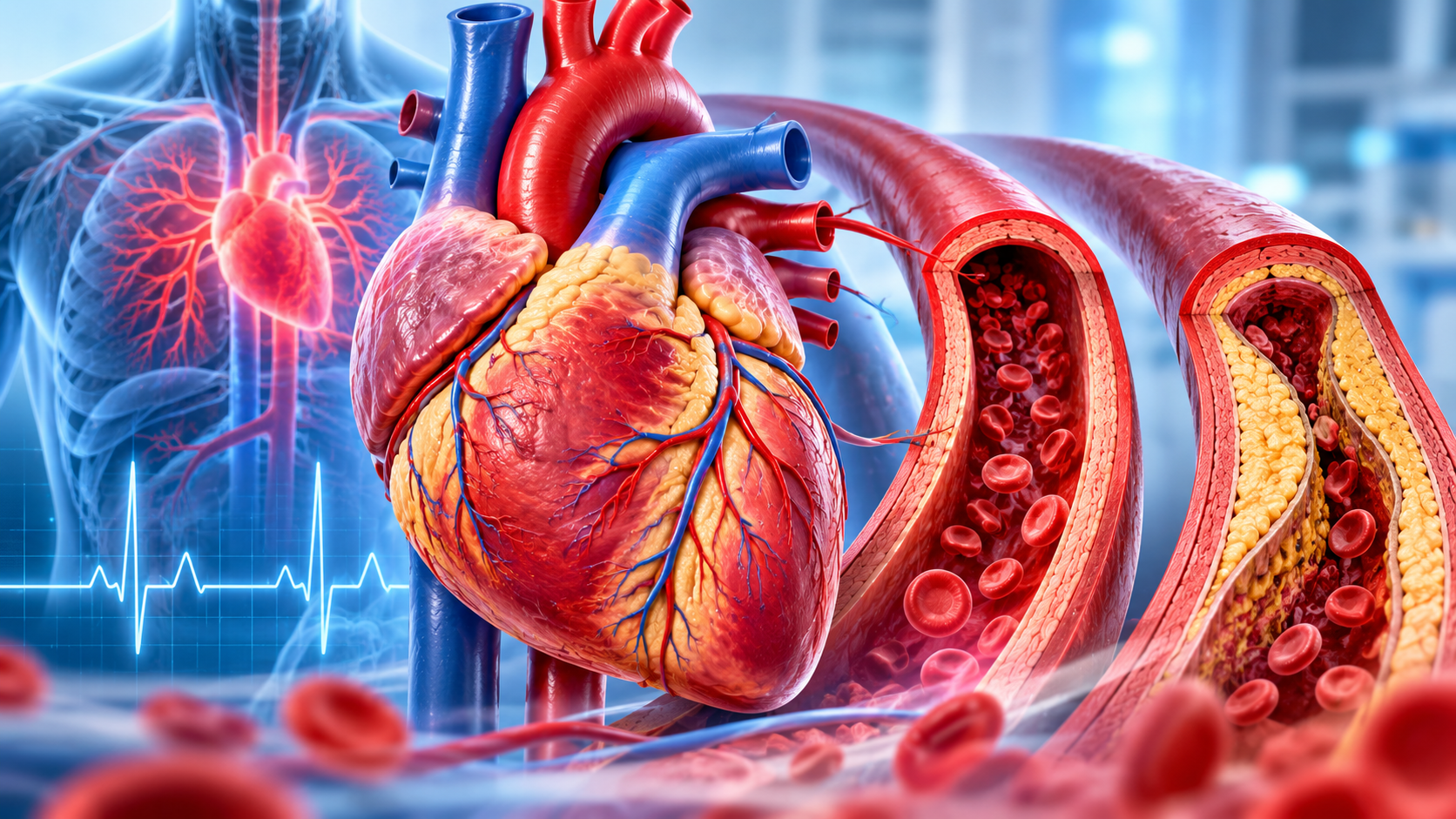
Heart disease refers to a group of conditions that affect the heart and its ability to work properly. Some heart conditions affect the blood vessels that supply the heart, while others involve the heart muscle, valves, electrical system, or the heart’s ability to pump blood effectively.
Some forms of heart disease develop gradually and may cause few or no symptoms in their early stages. Others can cause sudden and serious problems such as a heart attack or cardiac arrest. Because symptoms and causes vary between conditions, understanding risk factors and recognizing warning signs can help people seek appropriate medical care.
Heart disease is closely associated with several preventable risk factors, including high blood pressure, high cholesterol, tobacco use, physical inactivity, unhealthy diet, obesity, and diabetes. Family history and age can also influence a person’s risk. World Health Organization
This article explains common types of heart disease, their causes, symptoms, risk factors, diagnosis, treatment, and practical ways to protect heart health.
What Is Heart Disease?
Heart disease is a broad term used for conditions that affect the heart or the blood vessels connected to it.
Cardiovascular disease is a related broader term that includes disorders of the heart and blood vessels. Examples include coronary heart disease, cerebrovascular disease, rheumatic heart disease, and other cardiovascular conditions. World Health Organization
One of the most common forms of heart disease is coronary heart disease, also called coronary artery disease. It occurs when plaque builds up in the coronary arteries that supply blood to the heart muscle. Over time, this buildup can narrow the arteries and reduce blood flow. NHLBI, NIH
Heart disease can affect people differently. Some people may experience chest discomfort or shortness of breath, while others may have no obvious symptoms until a serious complication occurs.
Common Types of Heart Disease
Heart disease is not one single condition. Several different diseases can affect the heart.
Coronary Heart Disease
Coronary heart disease develops when the coronary arteries become narrowed or blocked, commonly because of plaque buildup.
Reduced blood flow to the heart can cause symptoms such as chest discomfort or shortness of breath, particularly during physical activity or emotional stress. In some cases, a complete blockage can lead to a heart attack. NHLBI, NIH
Heart Failure
Heart failure occurs when the heart cannot pump enough blood to meet the body’s needs. It does not mean that the heart has completely stopped working.
People with heart failure may experience shortness of breath, tiredness, swelling in the legs or ankles, or difficulty performing normal activities.
Heart failure can develop because of several underlying heart conditions, including coronary heart disease and high blood pressure.
Heart Valve Disease
Heart valves help blood move through the heart in the correct direction.
Valve disease occurs when one or more valves become too narrow, do not close properly, or otherwise fail to work normally. Depending on the condition, symptoms may include shortness of breath, tiredness, chest discomfort, dizziness, or swelling.
Arrhythmias
An arrhythmia is an abnormal heart rhythm. The heart may beat too quickly, too slowly, or irregularly.
Some arrhythmias cause noticeable symptoms such as palpitations, dizziness, weakness, or fainting, while others may produce few symptoms.
Congenital Heart Disease
Congenital heart disease refers to structural problems of the heart that are present at birth.
Some congenital heart conditions are discovered during childhood, while others may not be diagnosed until adulthood.
Rheumatic Heart Disease
Rheumatic heart disease can develop after rheumatic fever damages the heart valves. WHO notes that rheumatic heart disease remains an important cardiovascular condition, particularly in settings where rheumatic fever is more common. World Health Organization
What Causes Heart Disease?
There is no single cause of every type of heart disease.
For coronary heart disease, plaque buildup in the coronary arteries plays an important role. Plaque may contain cholesterol, fat, calcium, and other substances. As plaque accumulates, arteries can become narrower and blood flow can decrease. NHLBI, NIH
Several factors can contribute to cardiovascular risk, including:
- High blood pressure
- High cholesterol
- Diabetes or high blood glucose
- Smoking and tobacco exposure
- Physical inactivity
- Unhealthy diet
- Overweight or obesity
- Excessive alcohol use
- Older age
- Family history of heart disease
- Certain genetic factors
- Air pollution and other environmental influences
Some risk factors cannot be changed, such as age and family history. Others can be addressed through lifestyle changes and appropriate medical care. World Health Organization
Risk Factors for Heart Disease
Understanding risk factors is an important part of prevention.
High Blood Pressure
High blood pressure places additional strain on the heart and blood vessels. When it remains uncontrolled, it can contribute to heart disease and other complications.
You can read more about this condition in our guide to High Blood Pressure (Hypertension).
High Cholesterol
High levels of certain blood lipids can contribute to plaque formation in arteries. Managing cholesterol is therefore an important part of cardiovascular risk reduction.
Smoking
Tobacco use damages blood vessels and increases the risk of cardiovascular disease and heart attack. Exposure to secondhand smoke can also increase cardiovascular risk. CDC
Diabetes
High blood glucose over time can damage blood vessels and increase cardiovascular risk.
Our detailed guide on Type 2 Diabetes explains the condition, its risk factors, symptoms, and prevention.
Physical Inactivity
Regular physical activity can support heart health and help manage several cardiovascular risk factors, including blood pressure, weight, blood glucose, and cholesterol.
Unhealthy Diet
A diet high in saturated fats, trans fats, excess salt, and highly processed foods can contribute to cardiovascular risk. Eating a varied diet containing vegetables, fruits, whole grains, and other nutritious foods can support overall heart health. CDC
Overweight and Obesity
Excess body weight can increase the likelihood of high blood pressure, diabetes, abnormal cholesterol levels, and other conditions associated with heart disease.
Symptoms of Heart Disease
Symptoms depend on the specific heart condition.
Some people with coronary heart disease may have chest discomfort, shortness of breath, or pain in areas such as the neck. Symptoms may become more noticeable during physical activity and improve with rest. However, some people may have no symptoms until a serious event occurs. NHLBI, NIH
Common symptoms associated with different heart conditions may include:
- Chest pain or discomfort
- Shortness of breath
- Unusual tiredness
- Dizziness or light-headedness
- Fainting
- Heart palpitations
- Swelling in the legs, ankles, or feet
- Reduced ability to exercise
- Nausea in some situations
These symptoms do not always mean that someone has heart disease. Other medical conditions can cause similar symptoms, so proper medical assessment is important.
Heart Attack Warning Signs
A heart attack occurs when blood flow to part of the heart muscle becomes blocked, usually because a blood clot forms at the site of a ruptured atherosclerotic plaque.
A heart attack is a medical emergency. WHO notes that early recognition and rapid access to emergency care can improve the chance of survival and recovery. World Health Organization
Warning signs may include:
- Pressure, pain, or discomfort in the centre of the chest
- Pain or discomfort spreading to the arm, shoulder, back, neck, or jaw
- Shortness of breath
- Cold sweating
- Nausea or vomiting
- Light-headedness or fainting
Women may be more likely than men to experience symptoms such as shortness of breath, nausea, vomiting, or back and jaw discomfort. World Health Organization
If someone has symptoms that may indicate a heart attack, seek emergency medical care immediately rather than waiting for the symptoms to disappear.
How Is Heart Disease Diagnosed?
Doctors diagnose heart disease using a combination of medical history, physical examination, risk-factor assessment, and appropriate tests.
The exact tests depend on the person’s symptoms and suspected condition.
Blood Tests
Blood tests may help evaluate cholesterol, triglycerides, blood glucose, and other factors relevant to cardiovascular risk.
Electrocardiogram
An electrocardiogram, commonly called an ECG or EKG, records the electrical signals of the heart and can help identify certain rhythm problems and other abnormalities. NHLBI, NIH
Echocardiogram
An echocardiogram uses ultrasound to create images of the heart. It can help healthcare professionals assess heart structure and how well the heart is functioning.
Stress Testing
A stress test examines how the heart responds when it is working harder. Depending on the situation, exercise or medication may be used to increase the heart’s workload. NHLBI, NIH
Cardiac Imaging
Doctors may use imaging tests such as cardiac CT, cardiac MRI, or other specialized examinations when appropriate.
Coronary Angiography
Coronary angiography can help identify blockages in the coronary arteries. It may be recommended when other tests suggest significant coronary artery disease. NHLBI, NIH
How Is Heart Disease Treated?
Treatment depends on the specific heart condition, its severity, symptoms, other health conditions, and individual risk.
Treatment may include lifestyle changes, medicines, procedures, surgery, or a combination of these approaches.
Heart-Healthy Lifestyle Changes
Healthcare professionals may recommend:
- Eating a heart-healthy diet
- Increasing appropriate physical activity
- Maintaining a healthy weight
- Avoiding tobacco
- Managing blood pressure
- Managing cholesterol
- Managing diabetes
- Limiting alcohol where appropriate
- Following prescribed treatment plans
For coronary heart disease, NHLBI notes that treatment can include heart-healthy lifestyle changes, medicines, and procedures depending on the individual’s condition. NHLBI, NIH
Medicines
Depending on the condition, doctors may prescribe medicines to control blood pressure, cholesterol, blood clotting, heart rhythm, or other cardiovascular problems.
Medication should be taken only according to the instructions of a qualified healthcare professional.
Do not start, stop, or change heart medicines without medical advice.
Procedures and Surgery
Some people with significant coronary artery disease or other structural heart problems may require procedures or surgery.
Examples can include procedures to improve blood flow through narrowed arteries or surgery such as coronary artery bypass surgery.
The appropriate treatment depends on the individual’s diagnosis and medical assessment.
How Can Heart Disease Be Prevented?
Not every heart condition can be prevented, particularly conditions related to genetics or problems present from birth. However, many cardiovascular risk factors can be reduced.
WHO identifies tobacco use, unhealthy diet, physical inactivity, harmful alcohol use, obesity, high blood pressure, high blood glucose, and abnormal blood lipids among important cardiovascular risk factors. World Health Organization
Eat a Heart-Healthy Diet
Include a variety of:
- Vegetables
- Fruits
- Whole grains
- Beans and other nutritious protein sources
- Nuts and seeds where appropriate
- Healthy sources of unsaturated fats
Limit foods high in saturated fat, trans fat, excess salt, and added sugars.
Stay Physically Active
Regular physical activity can help support cardiovascular health and manage several heart disease risk factors.
If you have a medical condition or have been inactive for a long period, discuss an appropriate activity plan with your healthcare professional.
Avoid Tobacco
Not smoking is one of the important ways to reduce cardiovascular risk. If you smoke, seeking professional support to quit can provide additional help.
Manage Blood Pressure
Regular blood pressure checks can help identify hypertension. If you have high blood pressure, follow the treatment and lifestyle recommendations provided by your healthcare professional.
Manage Cholesterol
Regular health assessments can help identify abnormal cholesterol levels. Depending on your individual risk, your healthcare provider may recommend lifestyle changes or medication.
Manage Diabetes
Keeping blood glucose under appropriate control can help reduce complications associated with diabetes, including cardiovascular problems.
Maintain a Healthy Weight
A healthy eating pattern and regular physical activity can support weight management and improve several cardiovascular risk factors.
CDC states that healthy habits can help keep blood pressure, cholesterol, and blood sugar levels in a healthier range and lower heart disease risk. CDC
Heart Disease and High Blood Pressure
High blood pressure is one of the important risk factors for heart disease.
Over time, uncontrolled high blood pressure can affect the heart and blood vessels and increase cardiovascular risk. CDC identifies high blood pressure, high cholesterol, and smoking among major heart disease risk factors. CDC
People who have hypertension should work with their healthcare professional to monitor and manage their blood pressure.
Heart Disease and Diabetes
Diabetes and cardiovascular disease are closely connected.
High blood glucose can contribute to blood vessel damage and increase cardiovascular risk. Other metabolic factors, including abnormal blood lipids and high blood pressure, may also occur alongside diabetes.
Managing diabetes, blood pressure, cholesterol, diet, physical activity, and tobacco exposure can therefore be an important part of reducing cardiovascular risk.
When Should You Seek Medical Help?
Seek urgent medical attention if you develop symptoms that could indicate a heart attack, especially:
- New or severe chest pain or pressure
- Chest discomfort that does not go away
- Chest symptoms accompanied by shortness of breath
- Fainting or severe weakness
- Chest discomfort spreading to the arm, shoulder, back, neck, or jaw
A suspected heart attack should be treated as an emergency. Do not wait to see whether the symptoms improve on their own. World Health Organization
For non-emergency symptoms such as recurring palpitations, unexplained shortness of breath, unusual tiredness, or reduced exercise tolerance, arrange a medical evaluation.
Frequently Asked Questions About Heart Disease
Can heart disease have no symptoms?
Yes. Some forms of coronary heart disease can remain silent for a period of time. In some cases, the first noticeable problem may be a heart attack or another serious complication. NHLBI, NIH
Is heart disease preventable?
Many cardiovascular risk factors can be reduced through healthy lifestyle choices and appropriate medical care. However, not every type of heart disease is completely preventable. World Health Organization
Can young adults develop heart disease?
Yes. Cardiovascular risk is influenced by multiple factors, including family history, tobacco exposure, high blood pressure, cholesterol, diabetes, obesity, physical inactivity, and other factors. Risk generally increases with age, but heart health should be considered throughout adulthood.
Does high blood pressure cause heart disease?
High blood pressure is an important risk factor for heart disease. Managing it can help reduce cardiovascular risk. CDC
Can lifestyle changes help people who already have heart disease?
Lifestyle changes can be an important part of managing cardiovascular disease. The appropriate changes depend on the person’s condition and should be discussed with their healthcare professional. NHLBI, NIH
Conclusion
Heart disease includes a wide range of conditions affecting the heart and blood vessels. Some develop gradually, while others can cause sudden medical emergencies.
Important risk factors include high blood pressure, high cholesterol, diabetes, tobacco use, physical inactivity, unhealthy diet, obesity, and family history. Many of these factors can be addressed through healthy lifestyle habits and appropriate medical care. World Health Organization
Recognizing possible warning signs, maintaining regular health checks, managing existing conditions, avoiding tobacco, eating a balanced diet, and staying physically active can all contribute to better cardiovascular health.
If you experience symptoms that could indicate a heart attack, seek emergency medical care immediately.
Medical Disclaimer
This article is intended for general educational and informational purposes only. It does not provide medical advice, diagnosis, or treatment. Heart disease can have many different causes and forms, and individual symptoms require professional medical evaluation.
Do not start, stop, or change medicines or treatment without consulting a qualified healthcare professional. If you experience severe or potentially life-threatening symptoms, seek emergency medical care immediately.
Medical Sources & References
- World Health Organization (WHO) — Cardiovascular Diseases World Health Organization
- World Health Organization (WHO) — Cardiovascular Diseases Overview World Health Organization
- World Health Organization (WHO) — Heart Attack World Health Organization
- Centers for Disease Control and Prevention (CDC) — Heart Disease Risk Factors CDC
- Centers for Disease Control and Prevention (CDC) — Preventing Heart Disease CDC
- National Heart, Lung, and Blood Institute (NHLBI/NIH) — Coronary Heart Disease NHLBI, NIH
- NHLBI/NIH — Coronary Heart Disease Symptoms NHLBI, NIH
- NHLBI/NIH — Coronary Heart Disease Diagnosis NHLBI, NIH
- NHLBI/NIH — Coronary Heart Disease Treatment NHLBI, NIH