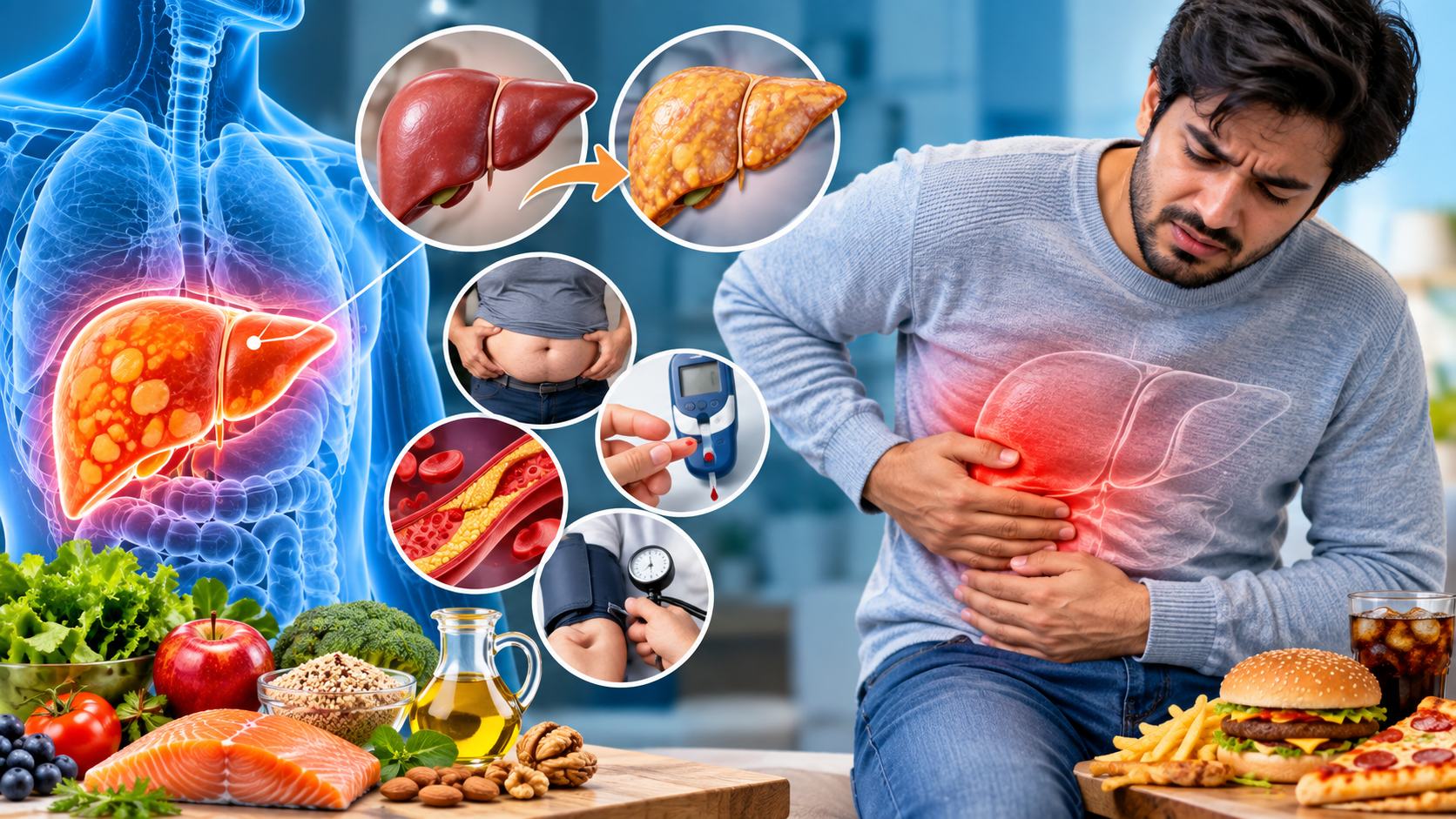
Fatty liver occurs when excess fat builds up in the liver. The condition can have different causes, including metabolic health problems and alcohol-associated liver disease. Doctors commonly refer to this condition as metabolic dysfunction-associated steatotic liver disease (MASLD). In the past, doctors called it nonalcoholic fatty liver disease (NAFLD).
MASLD commonly occurs alongside conditions such as overweight or obesity, type 2 diabetes, abnormal blood fats, high blood pressure, and metabolic syndrome. Many people have few or no symptoms, so routine blood tests or imaging may reveal the condition. NIDDK
For some people, fatty liver remains relatively stable. In others, liver inflammation and scarring can develop and eventually lead to more serious liver disease. Understanding the causes, symptoms, diagnosis, treatment, and prevention of this condition can help people discuss appropriate care with a healthcare professional.
.
What Is Fatty Liver Disease?
The liver performs many important functions, including processing nutrients, producing proteins, and helping the body handle various substances.
Fatty liver refers to excessive fat accumulation in the liver.
. Doctors now use the term steatotic liver disease (SLD) as a broader category, while MASLD describes fatty liver associated with metabolic dysfunction. WHO Apps
Doctors previously used the term nonalcoholic fatty liver disease (NAFLD) for MASLD. Doctors also called its more inflammatory form nonalcoholic steatohepatitis (NASH). They now generally use the term metabolic dysfunction-associated steatohepatitis (MASH).
Not everyone with fatty liver develops liver inflammation or significant liver damage.
What Causes Fatty Liver Disease?
Fatty liver can develop for several different reasons.
MASLD commonly occurs alongside metabolic conditions such as:
- Overweight or obesity
- Insulin resistance
- Type 2 diabetes
- High triglycerides
- Abnormal cholesterol levels
- High blood pressure
- Metabolic syndrome
- Physical inactivity
- Certain dietary patterns
Genes and other biological factors can also influence a person’s risk. NIDDK
Fatty liver can also have causes other than MASLD. These may include excessive alcohol use, certain medicines, rapid weight loss or malnutrition, some genetic conditions, and exposure to certain toxins. NIDDK
MASLD and Alcohol-Associated Fatty Liver Disease
It is important to distinguish metabolic fatty liver disease from alcohol-associated liver disease.
MASLD develops in the setting of metabolic dysfunction, and excessive alcohol consumption does not primarily cause it. Alcohol-associated liver disease occurs when alcohol contributes to liver injury.
Some people can have multiple factors affecting their liver at the same time, so healthcare professionals may consider both metabolic and alcohol-related causes when evaluating fatty liver. NIDDK
Symptoms of Fatty Liver Disease
Doctors often describe fatty liver disease as a silent condition because many people have few or no symptoms.
When symptoms do occur, they may include:
- Tiredness
- General weakness
- Discomfort in the upper-right area of the abdomen
These symptoms are not specific to fatty liver disease and can occur with many other conditions. NIDDK
As liver disease becomes more advanced, symptoms related to cirrhosis or liver complications can develop.
Can Fatty Liver Cause Liver Damage?
Simple fat accumulation does not necessarily mean that severe liver damage is present.
However, some people with metabolic fatty liver develop inflammation and liver injury. Doctors call this MASH. Persistent inflammation can contribute to fibrosis, which means scarring of the liver.
Advanced fibrosis can progress to cirrhosis, in which significant permanent scarring interferes with normal liver function.
MASH can therefore be more serious than simple fatty liver. NIDDK
Stages of Fatty Liver Disease
Fatty liver disease can exist across a spectrum of severity.
1. Fat Accumulation
The first stage involves excess fat stored in the liver.
Many people have no noticeable symptoms at this stage.
2. MASH and Liver Inflammation
Some people develop inflammation and liver cell injury in addition to fat accumulation.
Doctors now call this condition metabolic dysfunction-associated steatohepatitis, or MASH.
3. Fibrosis
Repeated liver injury can cause scar tissue to develop.
The amount of fibrosis can vary from mild to advanced.
4. Cirrhosis
Advanced scarring can lead to cirrhosis. Cirrhosis can interfere with normal liver function and may cause serious complications.
Not everyone with fatty liver progresses through every stage, and the course of disease can differ between individuals. NIDDK
Who Is at Higher Risk of Fatty Liver Disease?
Several health conditions can increase the likelihood of MASLD.
Overweight and Obesity
Excess body weight, particularly when associated with metabolic dysfunction, is an important risk factor.
Type 2 Diabetes
Type 2 diabetes and fatty liver disease often occur together. Insulin resistance and abnormal glucose metabolism can contribute to fat accumulation in the liver. NIDDK
High Cholesterol and Triglycerides
Abnormal blood fat levels can contribute to fatty liver disease.
High Blood Pressure
High blood pressure commonly occurs alongside other metabolic risk factors associated with MASLD.
Metabolic Syndrome
Metabolic syndrome is a combination of metabolic risk factors, including abdominal obesity, abnormal blood fats, high blood pressure, and elevated blood glucose.
Having several of these conditions can increase the likelihood of developing fatty liver disease. NIDDK
How Is Fatty Liver Disease Diagnosed?
Doctors use a combination of medical history, physical examination, blood tests, and imaging to evaluate fatty liver disease.
Medical History
A healthcare professional may ask about:
- Weight changes
- Diabetes
- Blood pressure
- Cholesterol
- Diet
- Physical activity
- Medicines
- Alcohol consumption
- Family history
- Other liver conditions
This information can help determine possible causes of liver fat accumulation. NIDDK
Blood Tests
Blood tests can provide information about liver enzymes and other aspects of health.
However, blood tests alone cannot always determine how much liver damage is present, so additional assessment may be necessary.
Ultrasound and Other Imaging
Imaging tests can help identify fat accumulation in the liver.
Depending on the situation, healthcare professionals may use ultrasound, CT, MRI, or specialized tests that assess liver stiffness.
Liver Biopsy
A liver biopsy involves removing a small sample of liver tissue for examination.
Doctors do not require a liver biopsy for every person with suspected fatty liver disease. However, they may consider it in selected situations when they need more detailed information about liver inflammation or fibrosis. NIDDK
How Is Fatty Liver Disease Treated?
Treatment depends on the underlying cause and the severity of liver disease.
For MASLD, lifestyle changes and management of associated metabolic conditions are important parts of treatment.
Gradual Weight Loss
For people who are overweight or have obesity, gradual weight loss can reduce liver fat and may improve liver inflammation and fibrosis.
NIDDK notes that losing at least 3% to 5% of body weight can reduce liver fat, while some people may need around 7% to 10% weight loss to improve liver inflammation and fibrosis. NIDDK
Weight loss should generally be gradual. Rapid weight loss and malnutrition can negatively affect the liver. NIDDK
Physical Activity
Regular physical activity can benefit fatty liver disease even when it does not result in weight loss.
An appropriate activity plan should take into account a person’s health, fitness level, and any medical conditions.
Healthy Eating
A balanced eating pattern can help manage body weight and metabolic risk factors.
Helpful dietary approaches may include:
- Eating more vegetables and fruits
- Choosing whole grains
- Choosing nutritious protein sources
- Replacing saturated fats with healthier unsaturated fats
- Limiting foods and drinks high in added sugars
- Limiting highly processed foods
- Managing portion sizes
NIDDK recommends healthy dietary patterns, portion control, and maintaining a healthy weight for prevention and management of fatty liver disease. NIDDK
Managing Diabetes and Other Conditions
Treating associated conditions such as type 2 diabetes, high blood pressure, abnormal cholesterol, and obesity can be an important part of managing overall metabolic health.
Your healthcare professional can determine which treatments are appropriate for your individual situation.
Medicines
Medication decisions depend on the type and stage of liver disease.
Do not start supplements or herbal products for fatty liver without discussing them with a healthcare professional. Some supplements and herbal products can cause liver injury. NIDDK
Treatment options for MASH have also been evolving, and specialist guidance may be appropriate for people with significant fibrosis or more advanced disease. AASLD has issued updated guidance concerning certain therapies for MASH. AASLD
What Foods Are Good for Fatty Liver?
There is no single food that can cure fatty liver disease.
Instead, the overall dietary pattern matters.
Foods that can fit into a healthy eating pattern include:
- Vegetables
- Whole fruits
- Whole grains
- Beans and legumes
- Fish and other nutritious protein sources
- Nuts and seeds in appropriate portions
- Unsaturated fats
It is also helpful to limit foods and drinks containing large amounts of simple sugars, particularly sugary beverages. NIDDK specifically identifies sweetened soft drinks, sports drinks, sweetened tea, and similar beverages as sources of added simple sugars that may be important to reduce. NIDDK
Foods and Habits to Limit
People managing fatty liver may benefit from limiting:
- Sugary drinks
- Excess added sugars
- Highly processed foods
- Foods high in saturated fat
- Excess calories
- Very large portions
Alcohol can also contribute to liver damage. People with liver disease should discuss alcohol use with their healthcare professional. NIDDK advises minimizing alcohol use in people with NAFLD because alcohol can further damage the liver. NIDDK
Can Fatty Liver Be Reversed?
Fatty liver can improve in many people when the underlying risk factors are addressed.
For people with MASLD who are overweight or have obesity, gradual weight loss can reduce liver fat and may improve inflammation and fibrosis. Physical activity can also provide benefits independently of weight loss. NIDDK
However, advanced fibrosis or cirrhosis requires medical evaluation and ongoing management. People should not assume that fatty liver will automatically disappear without addressing its underlying causes.
How Can Fatty Liver Disease Be Prevented?
Some forms of fatty liver disease cannot be completely prevented, but metabolic fatty liver risk can often be reduced.
Maintain a Healthy Weight
Maintaining a healthy weight can reduce several metabolic risk factors associated with fatty liver disease.
Eat a Balanced Diet
Choose nutritious foods and manage portion sizes. Limit excessive sugar and highly processed foods.
Stay Physically Active
Regular physical activity supports metabolic health and can help reduce liver fat.
Manage Blood Sugar
People with diabetes or elevated blood glucose should follow an appropriate management plan.
Manage Cholesterol
Abnormal cholesterol and triglyceride levels can be associated with fatty liver disease, so appropriate monitoring and treatment are important.
Manage Blood Pressure
Keeping blood pressure under appropriate control can support overall metabolic and cardiovascular health.
Avoid Unnecessary Supplements
Some herbal products and dietary supplements can damage the liver. Discuss supplements with a healthcare professional before using them. NIDDK
Fatty Liver and Type 2 Diabetes
Fatty liver disease and type 2 diabetes frequently occur together.
Insulin resistance is an important metabolic factor associated with MASLD, and type 2 diabetes increases the likelihood of developing fatty liver disease. NIDDK
Managing blood glucose, body weight, blood pressure, cholesterol, diet, and physical activity can therefore be important for people with both conditions.
For more information, see our guide to Type 2 Diabetes.
Fatty Liver and Heart Health
Fatty liver disease often occurs alongside metabolic risk factors that also affect cardiovascular health.
These can include obesity, type 2 diabetes, high blood pressure, and abnormal blood fats.
For this reason, people with fatty liver disease may benefit from discussing their overall cardiovascular risk with their healthcare professional.
When Should You See a Doctor?
Talk with a healthcare professional if:
- You have been told that imaging shows fat in your liver.
- Liver blood tests are repeatedly abnormal.
- You have diabetes or several metabolic risk factors.
- You have unexplained persistent fatigue.
- You have recurring discomfort in the upper-right abdomen.
- You have a history of liver disease.
- You are concerned about possible liver damage.
Seek urgent medical attention if you develop symptoms suggesting a serious liver complication, such as yellowing of the skin or eyes, vomiting blood, severe abdominal swelling, confusion, or other severe symptoms.
Frequently Asked Questions
Is fatty liver a serious disease?
Fatty liver can range from relatively mild fat accumulation to inflammatory liver disease and advanced fibrosis. Some people develop significant liver damage, while others do not. NIDDK
Does fatty liver always cause symptoms?
No. Many people with fatty liver disease have few or no symptoms. NIDDK
Can exercise help fatty liver?
Yes. Physical activity can benefit fatty liver disease and may provide benefits even without weight loss. NIDDK
Can losing weight improve fatty liver?
For people who are overweight or have obesity, gradual weight loss can reduce liver fat and may improve inflammation and fibrosis. NIDDK
Is fatty liver the same as cirrhosis?
No. Fatty liver refers to excess fat accumulation, while cirrhosis is advanced scarring of the liver. Fatty liver can contribute to progressive liver disease in some people, but not everyone with fatty liver develops cirrhosis.
Can fatty liver occur without diabetes?
Yes. Although type 2 diabetes is an important risk factor, fatty liver can occur in people without diabetes. Other metabolic, genetic, and lifestyle factors can contribute. NIDDK
Conclusion
Fatty liver disease involves excess fat accumulation in the liver and can have several causes. Metabolic dysfunction-associated steatotic liver disease, or MASLD, is strongly associated with conditions such as obesity, type 2 diabetes, abnormal blood fats, and high blood pressure.
Many people have no obvious symptoms, so fatty liver may be discovered through routine medical tests. In some people, however, inflammation and fibrosis can develop and eventually lead to advanced liver disease. NIDDK
Healthy eating, regular physical activity, gradual weight management, and appropriate treatment of related health conditions can play an important role in protecting liver health.
If you have been diagnosed with fatty liver disease, discuss the cause, severity, and appropriate treatment plan with a qualified healthcare professional.
Medical Disclaimer
This article is provided for general educational and informational purposes only. It does not provide medical advice, diagnosis, or treatment.
Fatty liver disease can have different causes and stages, and treatment should be individualized. Do not start or stop medicines, supplements, or other treatments without consulting a qualified healthcare professional.
If you have severe or potentially life-threatening symptoms, seek urgent medical attention.
Medical Sources & References
- National Institute of Diabetes and Digestive and Kidney Diseases (NIDDK) — Fatty Liver Disease NIDDK
- NIDDK — Symptoms & Causes of NAFLD/NASH NIDDK
- NIDDK — Diagnosis of NAFLD/NASH NIDDK
- NIDDK — Treatment for NAFLD/NASH NIDDK
- NIDDK — Eating, Diet & Nutrition for NAFLD/NASH NIDDK
- American Association for the Study of Liver Diseases (AASLD) — MASLD Practice Guidance