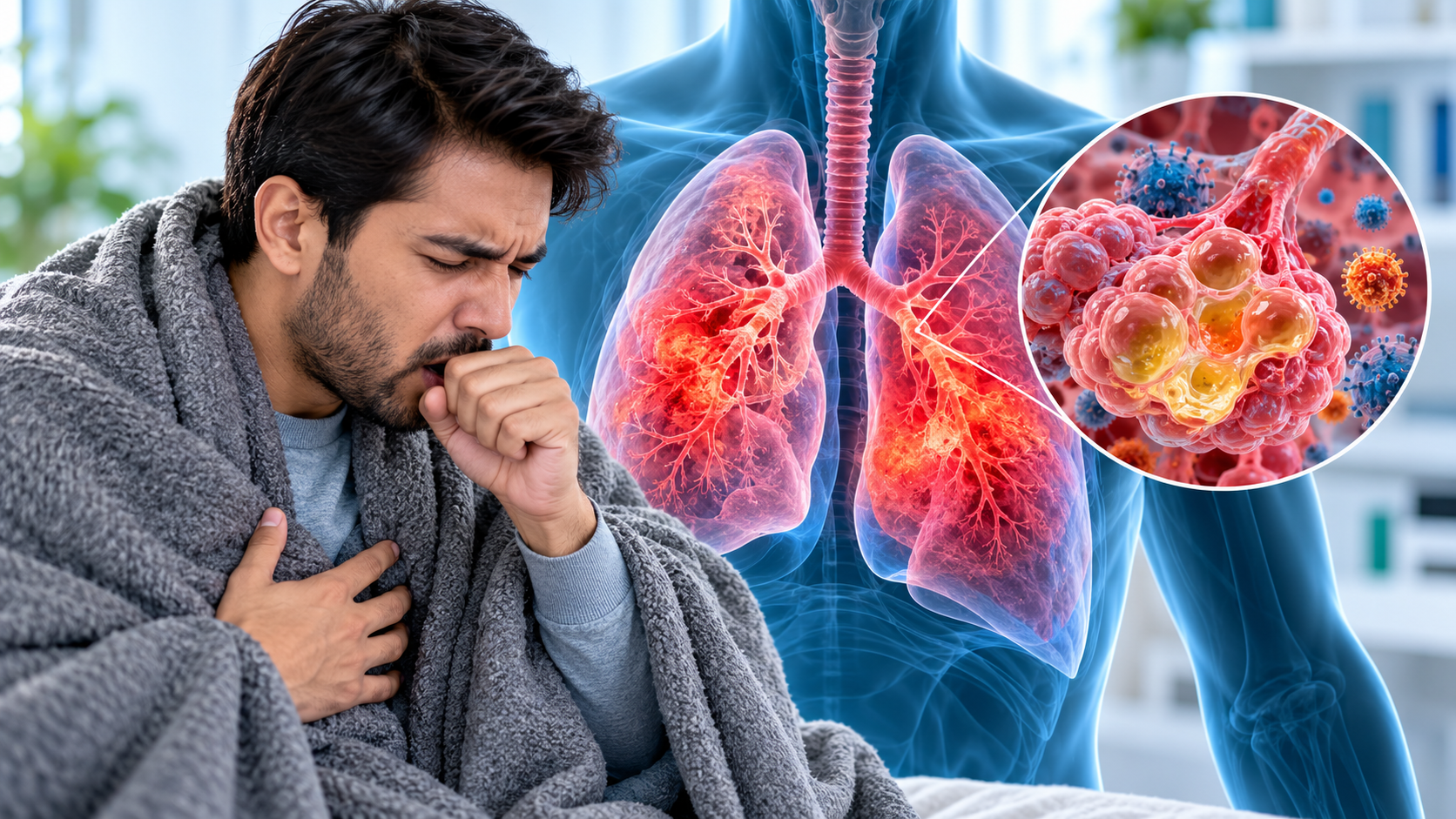
Pneumonia is an infection that affects the lungs and can range from a mild illness to a serious condition requiring hospital care. It can be caused by different types of germs, including bacteria, viruses and, less commonly, fungi and parasites. During pneumonia, the small air sacs in the lungs, called alveoli, can become inflamed and fill with fluid or pus, which can make breathing difficult and reduce the amount of oxygen reaching the body. World Health Organization
Pneumonia can affect people of all ages, but some groups have a higher risk of developing serious illness. Young children, older adults, people with chronic medical conditions and people with weakened immune systems may be more vulnerable to complications. World Health Organization
Understanding the causes, symptoms, risk factors, diagnosis, treatment and prevention of pneumonia can help people recognize when medical attention may be needed.
What Is Pneumonia?
Pneumonia is an infection of the lungs. The lungs contain millions of tiny air sacs called alveoli. Normally, these air sacs fill with air when a person breathes. During pneumonia, inflammation can cause fluid and pus to build up inside the alveoli, making it harder for the lungs to exchange oxygen effectively. World Health Organization
Pneumonia is not caused by one single germ. Different bacteria, viruses and fungi can cause different forms of pneumonia. Sometimes healthcare professionals cannot identify the exact germ responsible for an infection. CDC
The severity of pneumonia can vary considerably. Some people recover at home with appropriate treatment, while others may require hospitalization, oxygen therapy or more intensive medical care. NHLBI, NIH
What Causes Pneumonia?
Pneumonia can develop when infectious organisms enter the respiratory system and reach the lungs.
The main causes include:
Bacterial Pneumonia
Bacteria are an important cause of pneumonia, particularly in adults. Several different bacteria can cause lung infections.
One important bacterial cause is Streptococcus pneumoniae, also known as pneumococcus. Other bacteria, including Mycoplasma pneumoniae and Legionella, can also cause pneumonia. NHLBI, NIH
Bacterial pneumonia may develop on its own or after another respiratory infection such as influenza.
Viral Pneumonia
Several viruses can cause pneumonia. Influenza viruses, respiratory syncytial virus (RSV), SARS-CoV-2 and other respiratory viruses may infect the lungs and cause pneumonia. NHLBI, NIH
Because your website already has an article about influenza A, this is also a natural topic for readers who want to understand the connection between viral respiratory infections and pneumonia.
Fungal Pneumonia
Fungal pneumonia is less common than bacterial or viral pneumonia. It may occur more often in people whose immune systems are weakened.
Certain fungi found in the environment can cause lung infections, and the specific risk can depend on geographic location, environmental exposure and a person’s immune status. NHLBI, NIH
Aspiration-Related Pneumonia
Pneumonia can also occur when food, liquid, saliva or stomach contents enter the lungs instead of passing normally into the digestive system.
Problems affecting swallowing or consciousness can increase this risk. Conditions that affect the brain or nervous system may sometimes make swallowing and coughing more difficult. NHLBI, NIH
Types of Pneumonia
Pneumonia can be described in several ways depending on its cause and where the infection was acquired.
Community-Acquired Pneumonia
Community-acquired pneumonia develops outside a healthcare setting. It is one of the common forms of pneumonia encountered in everyday medical practice.
Different bacteria and viruses can cause community-acquired pneumonia. CDC
Hospital-Acquired Pneumonia
Hospital-acquired pneumonia develops during or following a stay in a healthcare facility.
People who are already seriously ill or have certain medical conditions may have a higher risk.
Ventilator-Associated Pneumonia
Ventilator-associated pneumonia is a type of pneumonia that can develop in people receiving mechanical ventilation.
It is generally associated with healthcare settings and requires careful medical management.
Viral, Bacterial and Fungal Pneumonia
Pneumonia may also be classified according to the organism causing the infection.
This distinction is important because treatment depends partly on the underlying cause. Antibiotics are useful for bacterial infections but do not treat viral pneumonia. Antiviral or antifungal medicines may be considered in appropriate situations. NHLBI, NIH
Symptoms of Pneumonia
Pneumonia symptoms can range from mild to severe.
Common symptoms may include:
- Cough
- Fever
- Chills
- Shortness of breath
- Chest pain, especially when breathing or coughing
- Fatigue
- Headache
- Muscle aches
- Nausea or vomiting
- Diarrhea
Some people may also have low oxygen levels. Older adults and people with serious illnesses may not always develop the typical symptoms and can sometimes experience weakness or sudden confusion instead. NHLBI, NIH
Cough and Mucus
A cough is a common symptom of pneumonia. Some people may produce mucus when coughing, although the appearance of mucus can vary.
A persistent or worsening cough, especially when accompanied by fever, breathing difficulty or chest pain, should be medically assessed.
Fever and Chills
Fever and chills may occur when the immune system responds to an infection.
However, the absence of fever does not necessarily rule out pneumonia, particularly in older adults or people with weakened immune systems. NHLBI, NIH
Shortness of Breath
Shortness of breath can occur because inflammation and fluid in the lungs interfere with normal oxygen exchange.
Significant difficulty breathing requires prompt medical attention.
Chest Pain
Pneumonia can cause chest pain that becomes more noticeable when breathing deeply or coughing. This type of pain should not automatically be assumed to be pneumonia because chest pain can have many causes.
Who Is at Higher Risk of Pneumonia?
Pneumonia can affect anyone, but certain people have a greater risk of developing pneumonia or experiencing serious complications.
Risk factors include:
- Older age, particularly 65 years and above
- Young children, particularly those under 5
- Chronic heart disease
- Chronic lung disease
- Diabetes
- Chronic liver or kidney disease
- A weakened immune system
- Smoking
- Excessive alcohol use
- Exposure to people with respiratory infections
- Living or spending time in crowded environments
People with weakened immune systems can be particularly vulnerable to serious infections. NHLBI, NIH
People with asthma and other chronic lung diseases may also have an increased risk of pneumonia. NHLBI, NIH
Pneumonia in Children
Pneumonia can be particularly serious in young children.
Children may develop cough, fever, breathing difficulty, tiredness or other symptoms. Very young children may not always show the same symptoms as adults.
WHO identifies vaccination, adequate nutrition, breastfeeding during early infancy and reducing exposure to household air pollution as important measures for reducing pneumonia risk in children. World Health Organization
Parents or caregivers should seek medical attention if a child develops difficulty breathing, unusual sleepiness, inability to drink or feed, bluish lips or skin, or other concerning symptoms.
Pneumonia in Older Adults
Older adults are at increased risk of serious pneumonia.
They may not always have a high fever or the typical symptoms associated with respiratory infections. Instead, they may experience weakness, confusion, reduced activity or a sudden decline in general health. NHLBI, NIH
Because symptoms can be less obvious in older adults, changes in breathing, mental status or overall health should be taken seriously.
How Is Pneumonia Diagnosed?
A healthcare professional usually considers symptoms, medical history and physical examination when evaluating possible pneumonia.
During an examination, a healthcare professional may listen to the lungs with a stethoscope and check vital signs.
Depending on the situation, additional tests may include:
Chest X-Ray
A chest X-ray can show areas of inflammation in the lungs and is commonly used when pneumonia is suspected. NHLBI, NIH
Blood Tests
Blood tests may help healthcare professionals assess how the body is responding to infection.
Pulse Oximetry
Pulse oximetry uses a small sensor placed on a finger or another suitable location to estimate blood oxygen levels.
Low oxygen levels can be an important sign of more serious respiratory illness. NHLBI, NIH
Sputum Testing
In some situations, a sample of mucus produced by coughing may be tested to help identify the organism responsible for infection.
Other tests, including CT scans, blood cultures or specialized procedures, may be used when pneumonia is severe, complicated or difficult to diagnose. NHLBI, NIH
How Is Pneumonia Treated?
Treatment depends on the cause of pneumonia, the severity of illness, the person’s age, underlying health conditions and other factors.
Treatment for Bacterial Pneumonia
Antibiotics may be prescribed when bacterial pneumonia is suspected or confirmed.
The specific antibiotic depends on factors such as the likely organism, severity of illness, resistance patterns, allergies and the patient’s medical circumstances. NHLBI, NIH
Antibiotics should only be taken according to a healthcare professional’s instructions.
They should not be used for viral infections simply because a person has symptoms similar to bacterial pneumonia.
Treatment for Viral Pneumonia
Some viral infections may be treated with antiviral medicines when appropriate. However, antiviral medicines do not work against every virus that can cause pneumonia. NHLBI, NIH
Treatment may also include supportive care, such as rest, fluids and management of fever or discomfort when medically appropriate.
Treatment for Fungal Pneumonia
Fungal pneumonia may require antifungal medication.
The treatment depends on the specific fungus and the person’s health status.
Hospital Treatment
People with severe pneumonia may need hospital treatment.
Hospital care can include:
- Oxygen therapy
- Intravenous fluids
- Antibiotics or other appropriate medicines
- Close monitoring
- Respiratory support
Very severe cases may require mechanical ventilation. NHLBI, NIH
Can Pneumonia Be Treated at Home?
Some people with mild pneumonia can recover at home after being assessed by a healthcare professional.
Treatment at home may involve prescribed medicines, adequate fluids, rest and monitoring for worsening symptoms.
However, pneumonia should not be self-diagnosed based only on symptoms. Similar symptoms can occur with influenza, COVID-19, asthma exacerbations and other respiratory conditions.
If symptoms become worse or breathing becomes difficult, medical attention should be sought promptly.
How Can Pneumonia Be Prevented?
Pneumonia cannot always be prevented, but several measures can reduce the risk.
Vaccination
Vaccination is an important part of pneumonia prevention.
Depending on age, health status and local recommendations, vaccines against pneumococcal disease, influenza, COVID-19, measles, Hib and pertussis can help reduce the risk of infections associated with pneumonia. World Health Organization
Because vaccine recommendations vary between countries and individuals, people should follow guidance from their local healthcare professionals and public-health authorities.
Wash Your Hands
Regular handwashing can reduce the spread of respiratory germs.
Hands should especially be washed after coughing or sneezing, after caring for someone who is sick and before eating or preparing food. World Health Organization
Avoid Smoking
Smoking can impair the lungs’ ability to clear mucus and can increase the risk of respiratory infections.
Avoiding tobacco smoke is an important part of protecting lung health. NHLBI, NIH
Improve Indoor Air Quality
Indoor air pollution can increase respiratory health risks, particularly where biomass fuels are used for cooking or heating.
Reducing exposure to indoor smoke and improving ventilation can help reduce respiratory infection risks. World Health Organization
Maintain Good Nutrition
Adequate nutrition supports the body’s natural defenses.
For children, WHO particularly emphasizes adequate nutrition and exclusive breastfeeding during the first six months of life as important measures for reducing pneumonia risk. World Health Organization
Pneumonia and Influenza
Influenza and pneumonia are different conditions, but they can be closely related.
Influenza can sometimes lead to pneumonia, either because the influenza virus affects the lungs directly or because a bacterial infection develops during or after the viral illness. NHLBI, NIH
People experiencing worsening symptoms after influenza should seek medical advice, especially if they develop difficulty breathing, persistent fever, chest pain or significant weakness.
Pneumonia and Asthma
People with chronic lung conditions, including asthma, may have an increased risk of pneumonia.
Pneumonia can also cause breathing symptoms that may overlap with asthma symptoms. Because these conditions require different evaluation and treatment, new or worsening breathing problems should be assessed by a healthcare professional. NHLBI, NIH
When Should You Seek Medical Attention?
Seek medical advice if you develop symptoms that could indicate pneumonia, particularly if you have a higher risk because of age or an underlying health condition.
Prompt medical attention is especially important if you experience:
- Significant difficulty breathing
- Chest pain
- Persistent or worsening fever
- Confusion or unusual drowsiness
- Bluish lips or skin
- Severe weakness
- Low oxygen levels if measured with a reliable device
- Inability to drink or keep fluids down
- Symptoms that are rapidly getting worse
Severe breathing difficulty, loss of consciousness, bluish skin or lips, or other signs of a medical emergency require urgent medical care.
Frequently Asked Questions
Is pneumonia contagious?
Some infections that cause pneumonia can spread from person to person, depending on the specific organism. However, pneumonia itself is not always directly transmitted as a single disease. The way it spreads depends on its underlying cause. World Health Organization
Can pneumonia go away on its own?
Some mild respiratory infections may improve without specific treatment, but suspected pneumonia should be medically evaluated because bacterial pneumonia may require antibiotics and severe pneumonia can become dangerous.
Is pneumonia always caused by bacteria?
No. Pneumonia can be caused by bacteria, viruses and fungi, with other infectious causes occurring less commonly. CDC
Can influenza cause pneumonia?
Yes. Influenza can cause viral pneumonia and can also increase the risk of secondary bacterial pneumonia. NHLBI, NIH
Can pneumonia be prevented?
The risk can often be reduced through recommended vaccinations, good hand hygiene, avoiding tobacco smoke, maintaining healthy habits and reducing exposure to respiratory infections and indoor air pollution. World Health Organization
How long does pneumonia take to recover from?
Recovery varies considerably depending on the cause, severity, age and overall health. Some people improve relatively quickly after appropriate treatment, while fatigue and other symptoms can take longer to resolve.
Does pneumonia always require hospitalization?
No. Many people with mild pneumonia can be treated outside the hospital. Hospital care is more likely to be needed when pneumonia is severe or when a person has significant risk factors or complications. NHLBI, NIH
Conclusion
Pneumonia is a lung infection that can be caused by several different organisms, including bacteria, viruses and fungi. It can affect people of any age, but young children, older adults and people with certain chronic health conditions may face a higher risk of serious illness.
Common symptoms include cough, fever, chills, shortness of breath, fatigue and chest pain. Diagnosis may involve a physical examination, chest imaging, blood tests and oxygen-level assessment.
Treatment depends on the underlying cause and severity. Bacterial pneumonia may require antibiotics, while some viral infections may be treated with antiviral medicines when appropriate. Severe pneumonia may require hospital care and oxygen therapy.
Vaccination, good hygiene, avoiding tobacco smoke, improving indoor air quality and maintaining good nutrition can all contribute to pneumonia prevention.
If you develop significant breathing difficulty, chest pain, confusion, bluish lips or skin, or rapidly worsening symptoms, seek urgent medical care.
Medical Disclaimer
This article is intended for general educational and informational purposes only. It does not replace professional medical advice, diagnosis or treatment.
Pneumonia can have many different causes, and the appropriate treatment depends on the individual’s symptoms, medical history, examination and diagnostic results. Do not start antibiotics, antivirals or other prescription medicines based solely on information in this article.
If you have severe difficulty breathing, chest pain, confusion, loss of consciousness, bluish lips or skin, or another medical emergency, seek urgent medical care.
Medical Sources & References
- World Health Organization (WHO) — Pneumonia. World Health Organization
- World Health Organization (WHO) — Pneumonia in children. World Health Organization
- Centers for Disease Control and Prevention (CDC) — Pneumonia. CDC
- Centers for Disease Control and Prevention (CDC) — Pneumonia Prevention and Control. CDC
- Centers for Disease Control and Prevention (CDC) — Risk Factors for Pneumonia. CDC
- National Heart, Lung, and Blood Institute (NHLBI/NIH) — Pneumonia: Causes and Risk Factors. NHLBI, NIH
- National Heart, Lung, and Blood Institute (NHLBI/NIH) — Pneumonia: Symptoms. NHLBI, NIH
- National Heart, Lung, and Blood Institute (NHLBI/NIH) — Pneumonia: Diagnosis. NHLBI, NIH
- National Heart, Lung, and Blood Institute (NHLBI/NIH) — Pneumonia: Treatment.