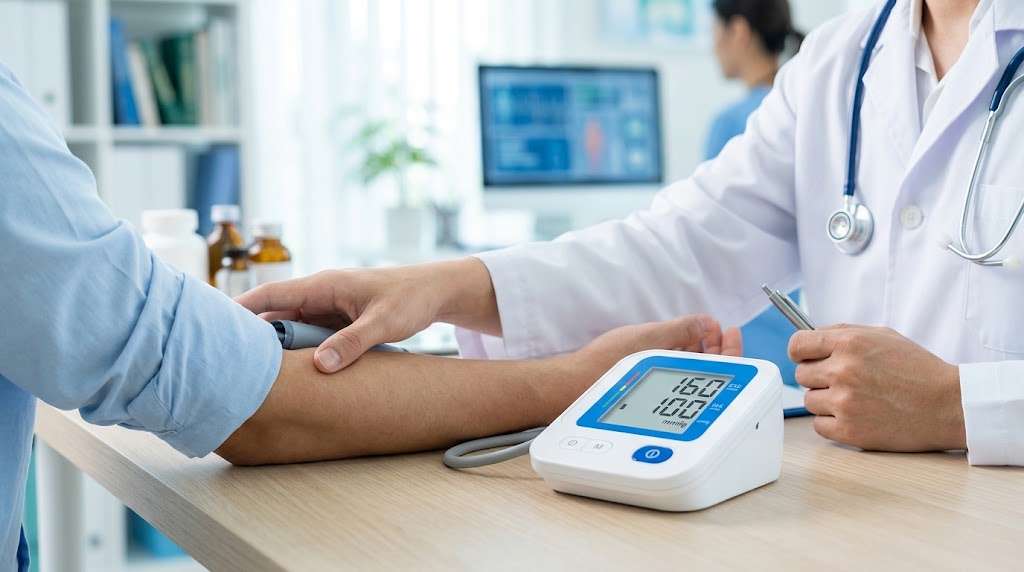
High blood pressure, also called hypertension, is one of the most common health conditions worldwide. It occurs when the force of blood against the walls of the blood vessels remains too high over time. Because hypertension often causes no obvious symptoms, a person may have it for years without knowing it.
Untreated high blood pressure can increase the risk of serious health problems, including heart disease, stroke and kidney disease. The good news is that regular blood-pressure checks, healthy lifestyle habits and appropriate medical treatment can help control the condition and reduce these risks.
What Is High Blood Pressure?
Blood pressure is the force of circulating blood against the walls of your arteries. A blood-pressure reading contains two numbers:
- Systolic pressure: the top number, representing pressure when the heart contracts.
- Diastolic pressure: the bottom number, representing pressure when the heart relaxes between beats.
Blood pressure is measured in millimetres of mercury (mmHg).
A diagnosis of hypertension should not usually be made from one isolated reading. Healthcare professionals generally look at repeated measurements taken correctly over time. WHO defines hypertension as blood pressure of 140/90 mmHg or higher when measured on two different days, while U.S. guidelines classify Stage 1 hypertension starting at 130/80 mmHg. These differences reflect different guideline frameworks, so patients should discuss their readings with a qualified healthcare professional rather than diagnosing themselves.
Understanding Blood Pressure Numbers
The 2025 American Heart Association/American College of Cardiology guideline uses the following categories for adults:
| Category | Systolic | Diastolic |
|---|---|---|
| Normal | Less than 120 | Less than 80 |
| Elevated | 120–129 | Less than 80 |
| Stage 1 hypertension | 130–139 | 80–89 |
| Stage 2 hypertension | 140 or higher | 90 or higher |
| Severe hypertension | Higher than 180 | and/or higher than 120 |
These numbers are useful for understanding a blood-pressure reading, but a healthcare professional should confirm a diagnosis using properly taken measurements and the person’s overall health history.
What Causes High Blood Pressure?
In many adults, there is no single identifiable cause. This is often called primary or essential hypertension. It usually develops gradually and can be influenced by genetics, age, diet, body weight, physical activity and other lifestyle or environmental factors.
Some people develop secondary hypertension, where another medical condition or medication contributes to elevated blood pressure. Kidney disease, certain hormonal conditions and some medicines can contribute to secondary hypertension.
Because the causes can differ from person to person, persistent high blood pressure should be evaluated by a healthcare professional.
Risk Factors for Hypertension
Several factors can increase the likelihood of developing high blood pressure.
1. Family History
Having close family members with hypertension can increase your risk.
2. Age
The risk of hypertension generally increases with age.
3. Unhealthy Diet
A diet high in sodium and low in fruits and vegetables can contribute to higher blood pressure. Diets high in saturated and trans fats can also increase cardiovascular risk.
4. Physical Inactivity
Regular physical activity supports cardiovascular health. Spending too much time sedentary can contribute to weight gain and increased blood-pressure risk.
5. Overweight or Obesity
Excess body weight is associated with a higher risk of hypertension.
6. Tobacco Use
Smoking and other tobacco use can damage blood vessels and contribute to cardiovascular disease.
7. Excessive Alcohol Use
Drinking too much alcohol can raise blood pressure and increase cardiovascular risk.
8. Other Medical Conditions
Conditions such as diabetes and kidney disease can increase the risk of high blood pressure.
Symptoms of High Blood Pressure
One of the most important things to understand about hypertension is that it often has no noticeable symptoms.
A person can have high blood pressure while feeling completely well. That is why regular blood-pressure measurement is important.
Very high blood pressure can sometimes be associated with symptoms such as:
- Severe headache
- Chest pain
- Shortness of breath
- Dizziness
- Changes in vision
- Nausea or vomiting
- Confusion
- Weakness or numbness
- Difficulty speaking
These symptoms should not be ignored, particularly when blood pressure is extremely high.
How Is High Blood Pressure Diagnosed?
Blood pressure can be measured at a doctor’s office, clinic, pharmacy or at home using an appropriate blood-pressure monitor.
A single high reading does not necessarily mean that someone has chronic hypertension. Blood pressure can temporarily increase because of stress, physical activity, caffeine, smoking or other factors.
Healthcare professionals may use repeated office measurements and, when appropriate, home or ambulatory monitoring to confirm the pattern.
For a more accurate measurement:
- Avoid exercise, caffeine and smoking for about 30 minutes beforehand.
- Empty your bladder.
- Sit quietly for at least five minutes.
- Keep both feet flat on the floor.
- Support your back.
- Rest your arm at approximately heart level.
- Do not talk during the measurement.
- Use an appropriately sized cuff.
These steps can help reduce inaccurate readings.
Monitoring Blood Pressure at Home
Home monitoring can be useful for people with hypertension and for people whose blood-pressure readings vary between medical visits and home.
A validated upper-arm blood-pressure monitor is generally preferred. Record readings consistently and share the results with your healthcare professional.
Home monitoring can also help identify patterns such as higher readings outside the doctor’s office. Healthcare professionals may consider home or ambulatory measurements when evaluating possible white-coat or masked hypertension.
Treatment for High Blood Pressure
Treatment depends on the individual’s blood-pressure level, cardiovascular risk and other medical conditions.
For many people, treatment includes lifestyle changes. Some people also need prescription medication.
The 2025 AHA/ACC guideline recommends lifestyle measures for adults with elevated blood pressure or hypertension. Medication may also be recommended depending on the average blood-pressure level and the person’s cardiovascular risk and medical history.
Common Types of Blood-Pressure Medicines
Doctors may prescribe different classes of medicines, including:
- ACE inhibitors
- Angiotensin II receptor blockers (ARBs)
- Calcium-channel blockers
- Diuretics
The appropriate medicine depends on factors such as age, kidney function, other medical conditions, pregnancy status and other medicines being taken.
Never start, stop or change blood-pressure medication without discussing it with a qualified healthcare professional.
Healthy Diet and Blood Pressure
Diet plays an important role in blood-pressure management.
A heart-healthy eating pattern can include:
- More vegetables and fruits
- Whole grains
- Beans and other nutrient-rich foods
- Appropriate portions of lean protein
- Lower-sodium food choices
- Fewer highly processed foods
- Less saturated and trans fat
The DASH eating pattern is one example of a dietary approach used to support healthy blood pressure.
Reducing excessive sodium intake is particularly important for many people with hypertension. However, individual dietary needs can vary, especially in people with kidney disease or other medical conditions.
Physical Activity
Regular physical activity can help lower blood pressure and improve overall cardiovascular health.
For many adults, a useful goal is at least 150 minutes of moderate-intensity aerobic activity per week, or 75 minutes of vigorous activity, along with muscle-strengthening activities on two or more days per week.
Walking, cycling, swimming and other activities can be included according to a person’s abilities and health status.
People who have been inactive or have significant medical conditions should discuss an appropriate exercise plan with a healthcare professional.
Maintaining a Healthy Weight
If a person is overweight or has obesity, achieving a healthier weight can help improve blood pressure and reduce cardiovascular risk.
Weight management does not have to involve extreme diets. Sustainable changes in eating habits, physical activity, sleep and daily routines can be more practical for long-term health.
A doctor or registered dietitian can provide individualized advice when needed.
Smoking and Tobacco
Tobacco use is harmful to the cardiovascular system and can increase the risk of heart disease and stroke.
Quitting smoking and avoiding tobacco products are important steps toward protecting cardiovascular health.
If quitting is difficult, healthcare professionals can provide evidence-based support and treatment options.
Alcohol and Blood Pressure
Excessive alcohol consumption can contribute to high blood pressure.
Reducing alcohol intake can be part of a blood-pressure management plan. The safest amount can vary depending on an individual’s health, medications and other circumstances, so people should discuss alcohol use with their healthcare professional when appropriate.
Stress and Sleep
Long-term stress can make healthy routines more difficult and may contribute to unhealthy behaviors.
Good-quality sleep is also an important part of overall cardiovascular health. NHLBI recommends healthy lifestyle measures that include managing stress and getting enough good-quality sleep as part of high-blood-pressure management.
Can High Blood Pressure Be Prevented?
Not every case of hypertension can be prevented because some risk factors, such as age and family history, cannot be changed.
However, many lifestyle choices can reduce risk.
Helpful habits include:
- Eating a balanced, heart-healthy diet
- Limiting excessive sodium
- Staying physically active
- Maintaining a healthy weight
- Avoiding tobacco
- Limiting excessive alcohol
- Managing stress
- Getting adequate sleep
- Checking blood pressure regularly
- Following medical advice when treatment is prescribed
These habits can also support people who already have hypertension.
Complications of Uncontrolled High Blood Pressure
When high blood pressure remains uncontrolled for a long time, it can damage blood vessels and organs.
Possible complications include:
- Heart disease
- Heart attack
- Heart failure
- Stroke
- Kidney disease
- Damage to blood vessels
- Other cardiovascular complications
Controlling blood pressure can help prevent or delay some of these serious health problems.
When Should You Seek Urgent Medical Help?
A blood-pressure reading higher than 180/120 mmHg is considered severe and requires prompt medical attention.
If a reading is this high, repeat the measurement after a short period of rest and contact a healthcare professional promptly.
If very high blood pressure occurs together with symptoms such as:
- Chest pain
- Shortness of breath
- Weakness or numbness
- Difficulty speaking
- Significant vision changes
- Severe headache
- Confusion
seek emergency medical care immediately.
Frequently Asked Questions
Is high blood pressure curable?
Hypertension is often a long-term condition that can be effectively managed. Some people can significantly improve their blood pressure through lifestyle changes, while others need ongoing medication and monitoring.
Can high blood pressure occur without symptoms?
Yes. Most people with hypertension do not notice symptoms, which is why regular blood-pressure checks are important.
What is a normal blood pressure?
Under the 2025 AHA/ACC adult classification, normal blood pressure is below 120/80 mmHg. However, a healthcare professional should interpret blood-pressure readings in the context of the person’s overall health.
Can lifestyle changes lower blood pressure?
Yes. Healthy eating, physical activity, maintaining a healthy weight, reducing sodium, avoiding tobacco and managing alcohol intake can help lower or control blood pressure. Some people will still need medication.
Should I stop my blood-pressure medicine if my reading becomes normal?
No. A normal reading may mean that treatment is working. Do not stop or change prescribed medication without talking to your healthcare professional.
Can I monitor my blood pressure at home?
Yes. Home monitoring can be useful when performed correctly with an appropriate device. Keep a record of your readings and discuss them with your healthcare professional.
Conclusion
High blood pressure is common and can often develop without obvious symptoms. Regular monitoring is therefore one of the most important ways to identify the condition.
A healthy diet, regular physical activity, appropriate weight management, avoiding tobacco, limiting excessive alcohol and getting adequate sleep can support healthy blood pressure. When lifestyle changes are not enough, healthcare professionals can recommend appropriate medicines and monitoring.
If you have repeated high blood-pressure readings or concerns about your cardiovascular health, speak with a qualified healthcare professional for personalized advice.
Medical Disclaimer
This article is provided for general educational and informational purposes only. It is not intended to replace professional medical advice, diagnosis or treatment. Blood-pressure targets and treatment decisions can vary according to age, pregnancy status, medical conditions, medications and individual cardiovascular risk.
If you have concerning symptoms or very high blood pressure, seek appropriate medical care rather than relying on information from this article.
Medical Sources & References
- World Health Organization (WHO). Hypertension — Fact Sheet, updated September 25, 2025.
- National Heart, Lung, and Blood Institute (NHLBI/NIH). High Blood Pressure — Diagnosis. Updated June 26, 2025.
- National Heart, Lung, and Blood Institute (NHLBI/NIH). High Blood Pressure — Overview and Management.
- American Heart Association (AHA). 2025 High Blood Pressure Guideline — Top Things to Know.
- American Heart Association (AHA). Understanding Blood Pressure Readings.
- Centers for Disease Control and Prevention (CDC). High Blood Pressure Risk Factors. Updated December 13, 2024.